

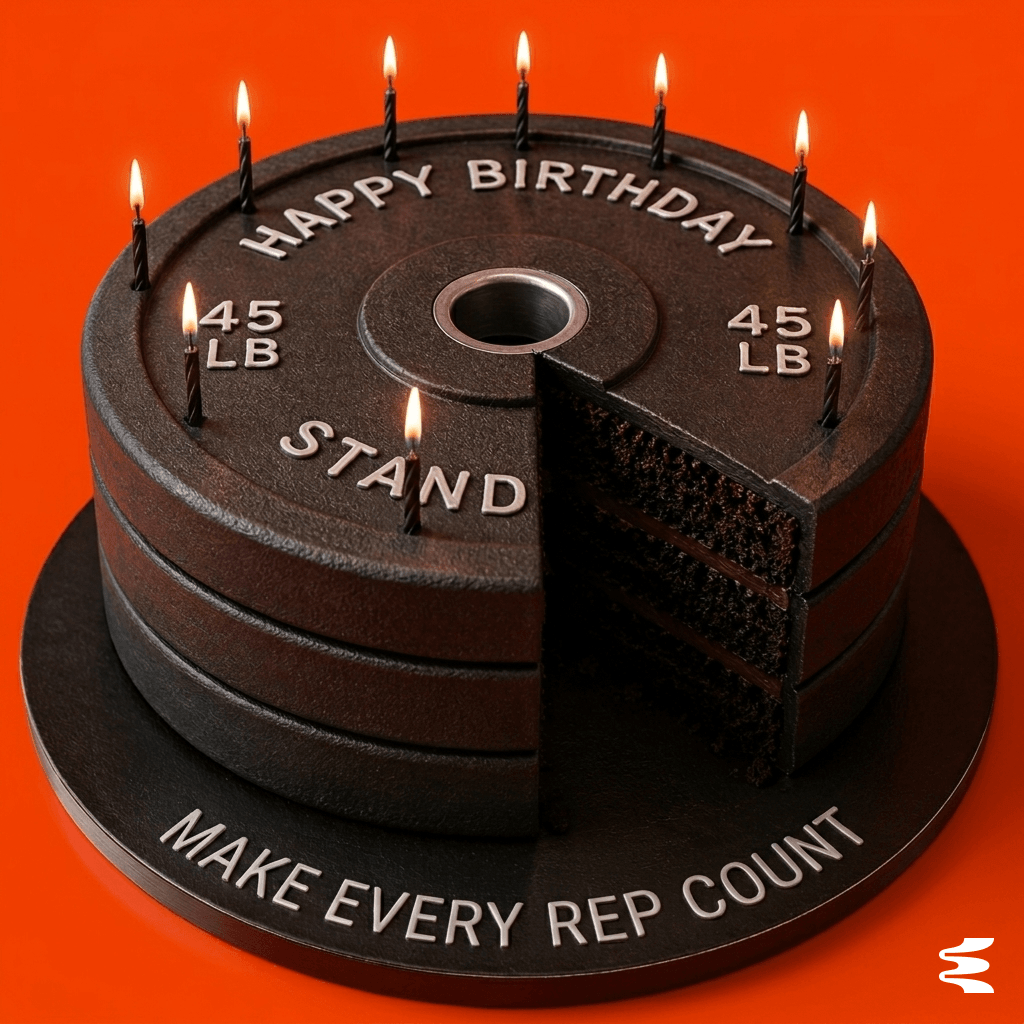
10 years of Enode: a decade of velocity based training
On the 18th of April 2016, we shipped Enode's first device. It went to a small number of athletes and coaches, people who were already convinced that velocity based training data belonged in every session, and who were frustrated that the tools to access it were either too expensive, too cumbersome, or both.
Ten years on, a lot has changed.
A note on where velocity based training is heading
One thing we've learned over ten years is that the most common barrier to getting value from VBT isn't the hardware or the software, it’s the habit. Teams that get the most out of velocity data are the ones who've built consistent tracking into their training culture, not the ones with the most sophisticated setups.
That's shaped how we think about the platform. Every product decision we make is oriented around reducing the friction between capturing data and acting on it, for athletes in session and for coaches reviewing across time.
What a decade in VBT looks like
When Enode launched, velocity based training was still a niche methodology. Most strength coaches knew the concept, but relatively few had integrated it into day-to-day programming. The equipment required to do it properly, linear position transducers, dedicated software, reliable calibration, put it out of reach for most clubs and individual athletes.
The conversation has shifted dramatically since then. VBT is now a mainstream coaching tool. It's used across strength and conditioning programmes at every level, from elite sport to recreational lifting. The science has deepened, we understand load-velocity profiling, individual minimum velocity thresholds, and the limits of generic velocity zones far better than we did in 2016. And the hardware has got smaller, more reliable, and more affordable.
Enode has been part of that shift. So have the coaches, sports scientists, and athletes who pushed the field forward by using the data seriously and asking hard questions about what it actually tells them.
What we've been building
The last twelve months have been the most significant development period in Enode's history. We've shipped a major update to the app, redesigned around real session workflows, faster, and more intuitive to use under the bar, and we've launched a full web portal for the first time.
We built the web portal as an addition to the Enode app because we know that 2 things are important:
- In training feedback and decision making
- Programming and full session review with the comfort of a larger screen
The app allows you to fully focus on your training sessions; with new feedback views, there is an option for every preference. Manual input also allows you to log exercises that you may not want to track with the sensor, theres now no longer any need to hop between platforms to collect all your training data. The portal allows for full workout programming, deeper analysis and, roster management. The portal is built specifically for the kind of review work that happens after training: tracking load-velocity profiles over time, comparing sessions across a training block, and making sense of trends that aren't visible in a single session.
10 years and a thank you
None of this happens without the athletes, coaches, and facilities who've trusted Enode with their training data over the last decade. The feedback, the honest criticism, the sessions you've let us be part of, that’s what has driven the product forward.
To mark the occasion, we're running a 10-day anniversary sale from the 18th to the 28th of April. Use code ENODE10YEARS at checkout for 10% off everything in the Enode store, hardware, accessories, and subscriptions. If you're a single athlete the subscription discount is already applied in the Apple app store.
Here's to the next ten.
Share:
Velocity based training testing templates in Enode - structured protocols for when you need answers fast